
Losing the ability to drive, whether for a short time or longer, can feel like losing your independence. But depending on the disability you’re living with, it’s not the end of the road. With the right help, training, and vehicle modifications, driving again is possible. That’s where a driver trained OT comes in.
We spoke with Matthew Ward, a driver-trained occupational therapist, about how him and his team at Modified Driving help people with disabilities get back on the road safely and confidently.

Hi Matthew. What does a driver-trained occupational therapist do, and how is it different from the work of a general occupational therapist?
A driver-trained OT assesses if a person’s medical condition or disability affects their capacity to drive safely and to legal standards. A driver-trained OT can also practice general OT, but have completed an additional qualification to become driver-trained. We look specifically at driving and decide on the supports or modifications someone needs to be able to drive safely.
Which injuries or illnesses typically lead someone to be referred for a driving assessment?
Any disability, injury or illness can prompt an OT driving assessment. The first step is generally for the person to see their GP to initially assess if the condition may impact on driving. The doctor may request an assessment if they have concerns. We see drivers with various conditions, including strokes, dementia, physical disabilities and autism.
What happens if someone needs car modifications to be able to drive safely?
The OT prescribes vehicle modifications, and the licensing authority endorses them on the person’s licence. The authority issues the person a learner’s licence so they can complete lessons and learn to drive with the modifications. Once they’re confident driving safely in all forms of traffic, they have to successfully pass the RMS disability driving test to regain their full licence.
Can you give examples of the types of modifications people commonly need after injury or illness?
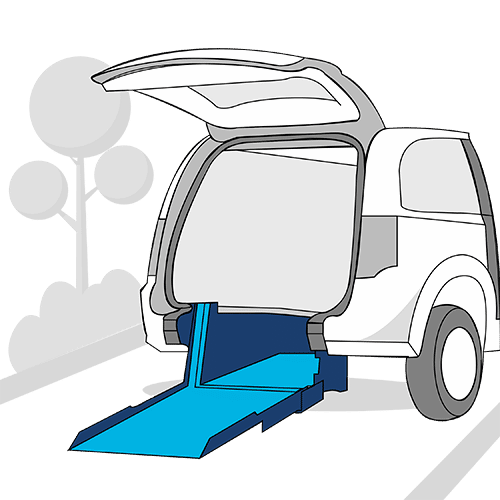
For people with weakness in one arm, there are basic or electronic spinner knobs. People with deficits in their right foot/leg can use left foot accelerators. If a person has severe issues in both feet, there are hand controls that allow them to do all driving (including braking and accelerating) with their hands.
As a driver trained OT, can you share a story about someone who successfully returned to driving after a major setback?
I had a client who was a truck driver and suffered a motorbike accident. He lost both his legs and learned how to drive with hand controls. He described his personal hardships and explained how the accident affected his life.
To see him fully independent and driving again was inspiring. He said that he felt like he got his life back, as his life became just endless medical appointments. He’s now back to working and spending time with his family and friends.
What are the most common fears or misunderstandings people have about returning to driving?
People with degenerative conditions like Parkinson’s or Alzheimer’s often feel like their driving days are numbered. While this is true to some extent due to the progressive nature of the illness, I see many clients with these diagnoses who can continue to drive for several years before they may have to stop. People living with physical disabilities who need to learn to drive with vehicle modifications also get worried about having to do the RMS driving test again.
How does being cleared to drive again typically affect someone’s mental health or quality of life?
I think driving is one of those everyday activities that’s easy to take for granted. When someone can’t drive for a prolonged period, it affects their independence, self-esteem and freedom. They become dependent on others and some people I see live in areas where public transport isn’t easily accessible. Some people I see haven’t driven for years. So when they’re able to return to driving, it can be life-changing for them.
As a driver trainer OT, have you noticed any particular trends or challenges in this field, especially with an ageing population?
I’ve been working in this area for almost 10 years and perhaps the biggest change I’ve noticed is related to the NDIS. The scheme has given people opportunities to learn to drive, or return to driving, which they might not have pursued. Young people with autism or intellectual disabilities, for example, are very eager to get their licence and can get specialised supports. People living with physical disabilities also have more opportunity to drive, as the NDIS can help them with vehicle modifications.
What advice do you give clients who are anxious about being tested or losing their licence?
I try to reassure them to drive as they normally would in the assessment. To be safe and take their time. I stress that I’m looking specifically at the effects of their medical condition on their driving, and I’m not concerned about bad habits or small errors.
Ultimately, I assure them that they’ll get a good result if they drive safely and don’t do anything that may cause an accident. I also let them know that they can take breaks during the assessment.
As a driver trainer OT, What do you find most rewarding about helping people get back behind the wheel?
It’s satisfying to help someone who thought they couldn’t drive, get on the road. I particularly enjoy working with people with physical disabilities as they learn to use vehicle modifications. It also usually involves liaising with vehicle modifiers which adds another dimension to my work.
Modified Driving services Sydney and Greater Sydney. Visit their website to find out more.
Insurance for your modified vehicle
As Australia’s first disability and independence insurance specialist, Blue Badge Insurance is here to help safeguard your mobility and your finances. We also offer car insurance for wheelchair accessible vehicles and disability converted cars. Why not get a quote today?